
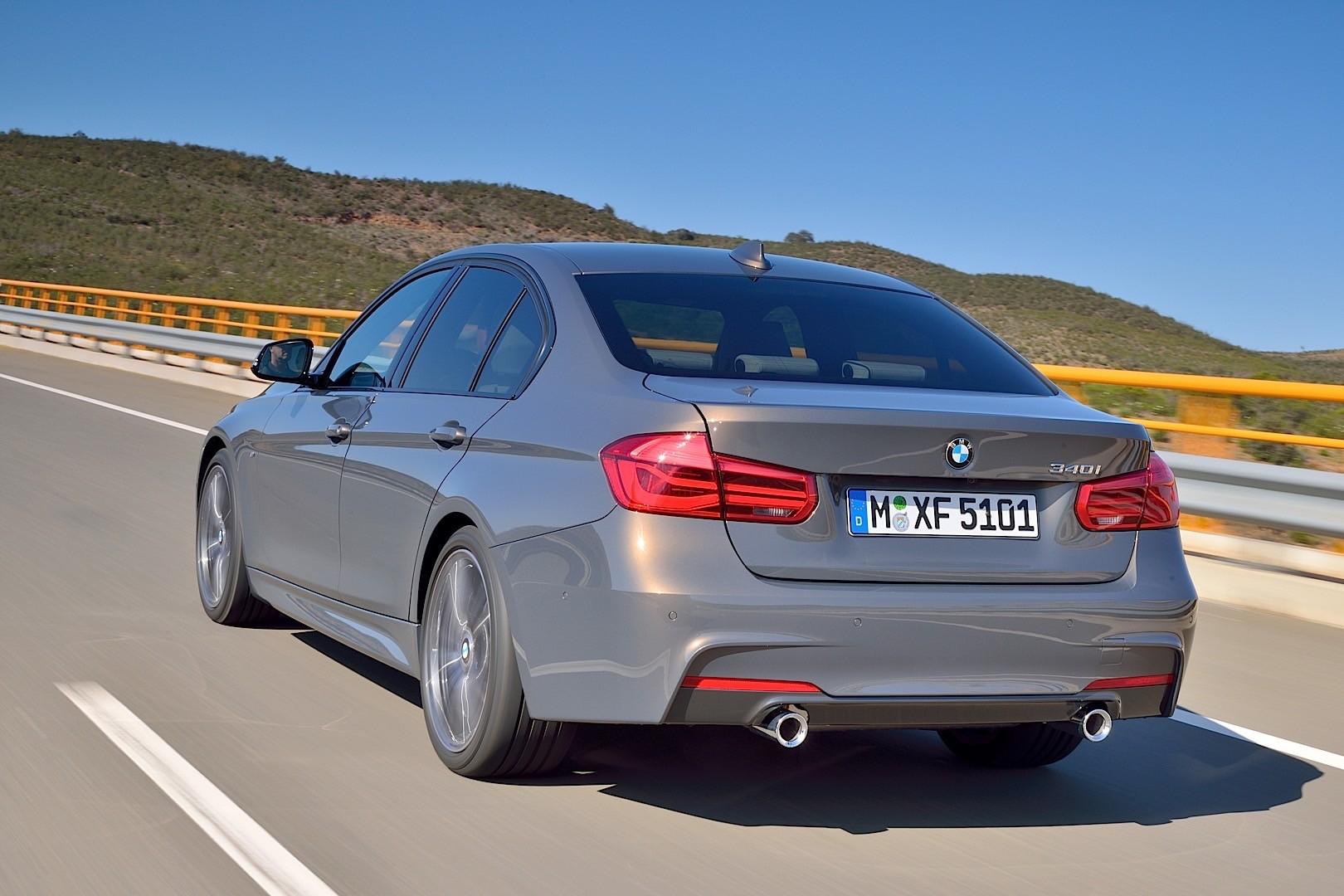
Description
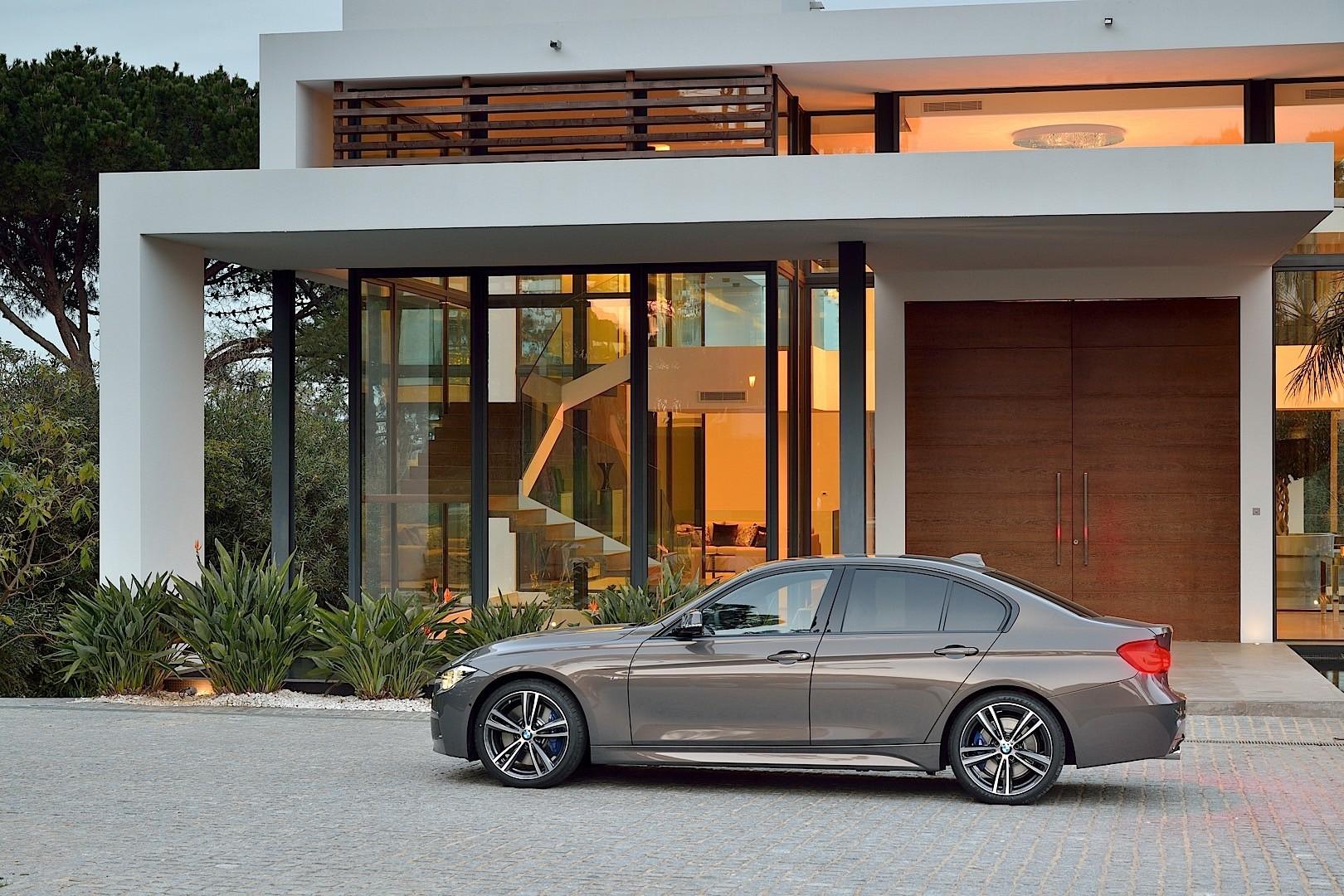
BMW refreshed the sixth generation of the 3 Series in 2015 for the 2016 model year and introduced significant upgrades for one of its most important vehicles.
When the automaker introduced the sixth generation of the 3 Series Sedan, known as the F30 in factory coding, in 2011, it already knew that the new Euro 6 emission standards would follow. As a result, it prepared the car for that and waited for the right moment to introduce the changes. However, it seemed like the automaker didn’t have enough money left to spend on the design upgrades, and only a trained eye for detail could notice the differences between the initial 2011 model year and the facelifted 2015 one, albeit BMW didn’t call its refreshed models like that. It named them LCI, or Life Cycle Impulse. In terms of technology upgrades, that was true, but in terms of styling, not so.
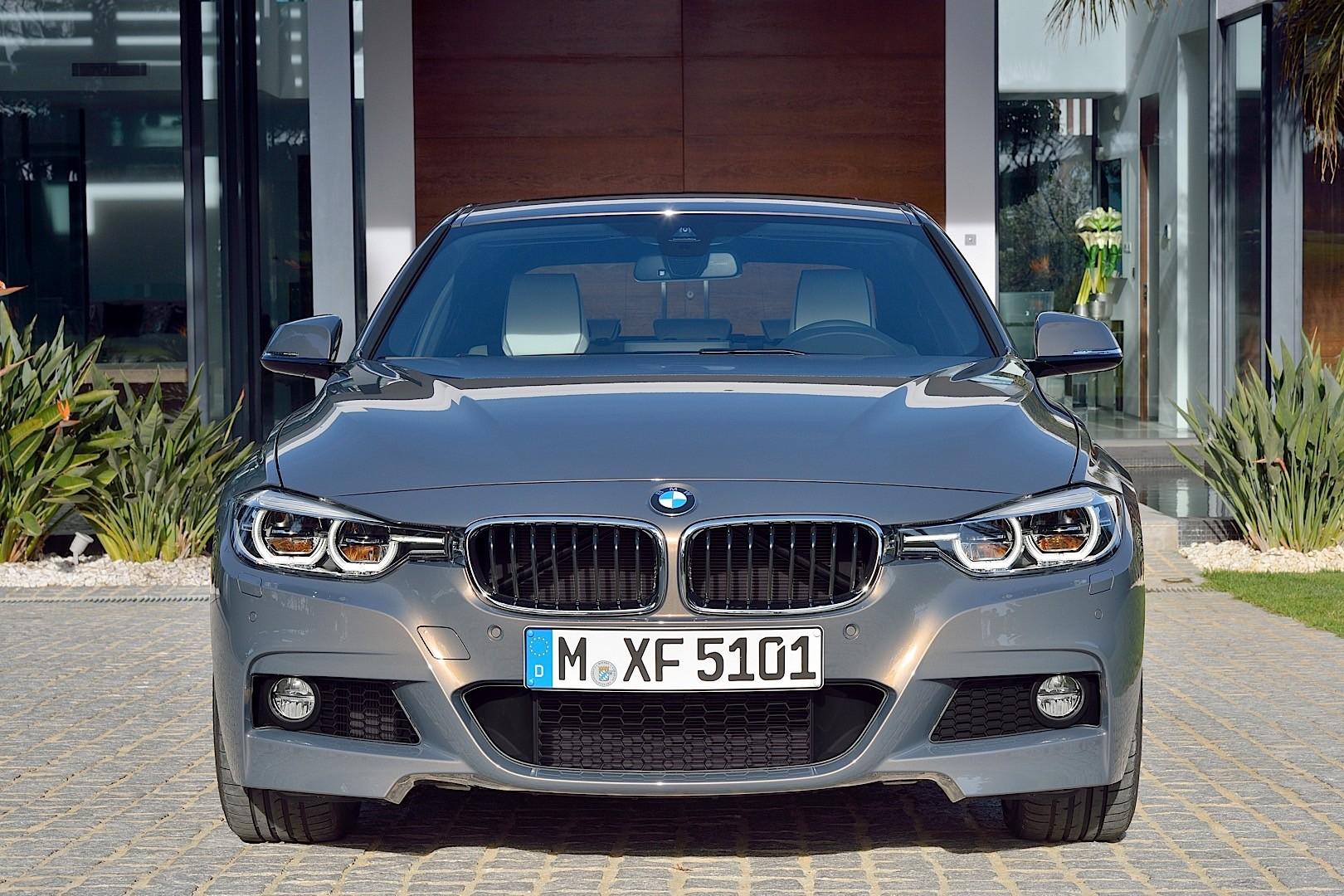
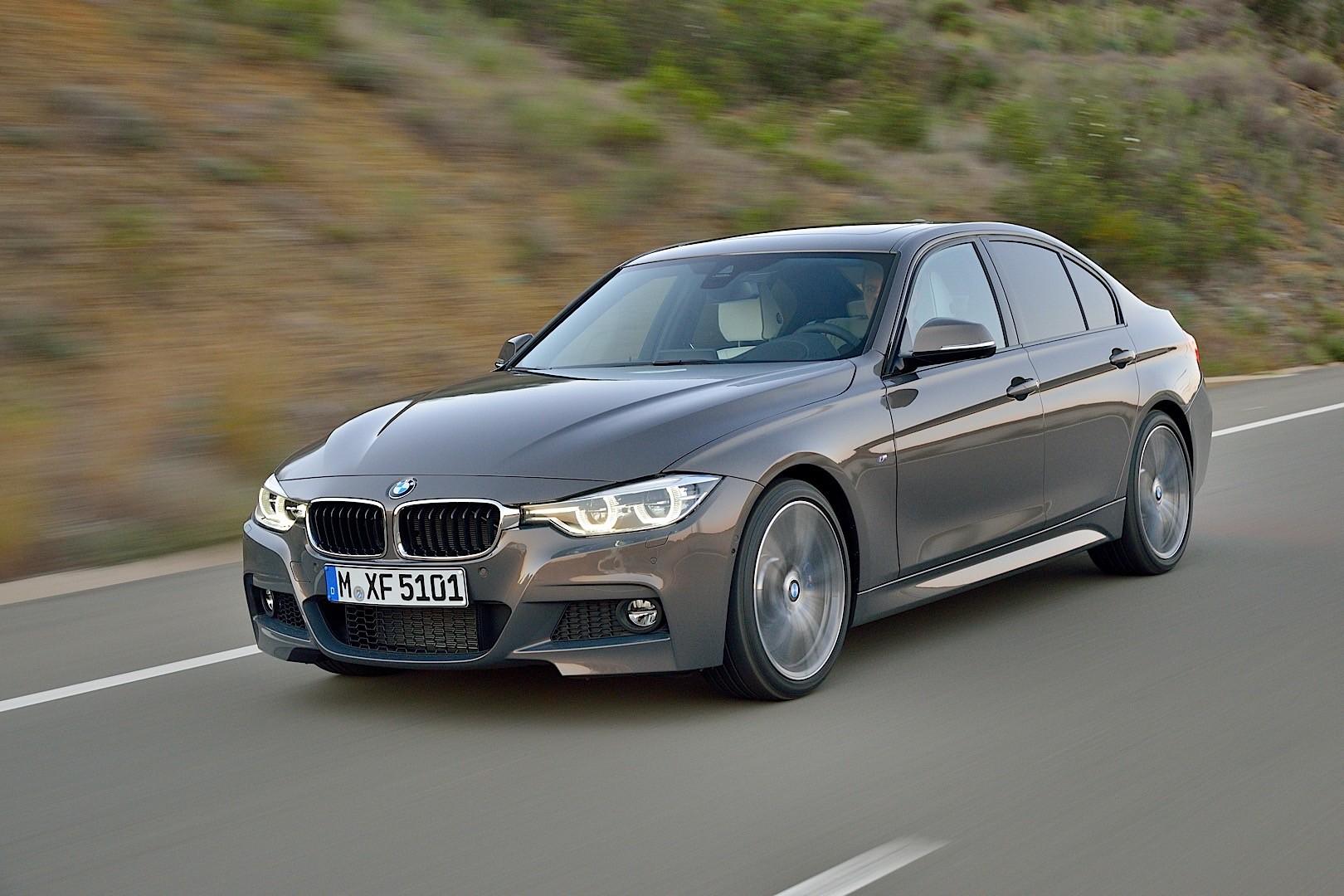
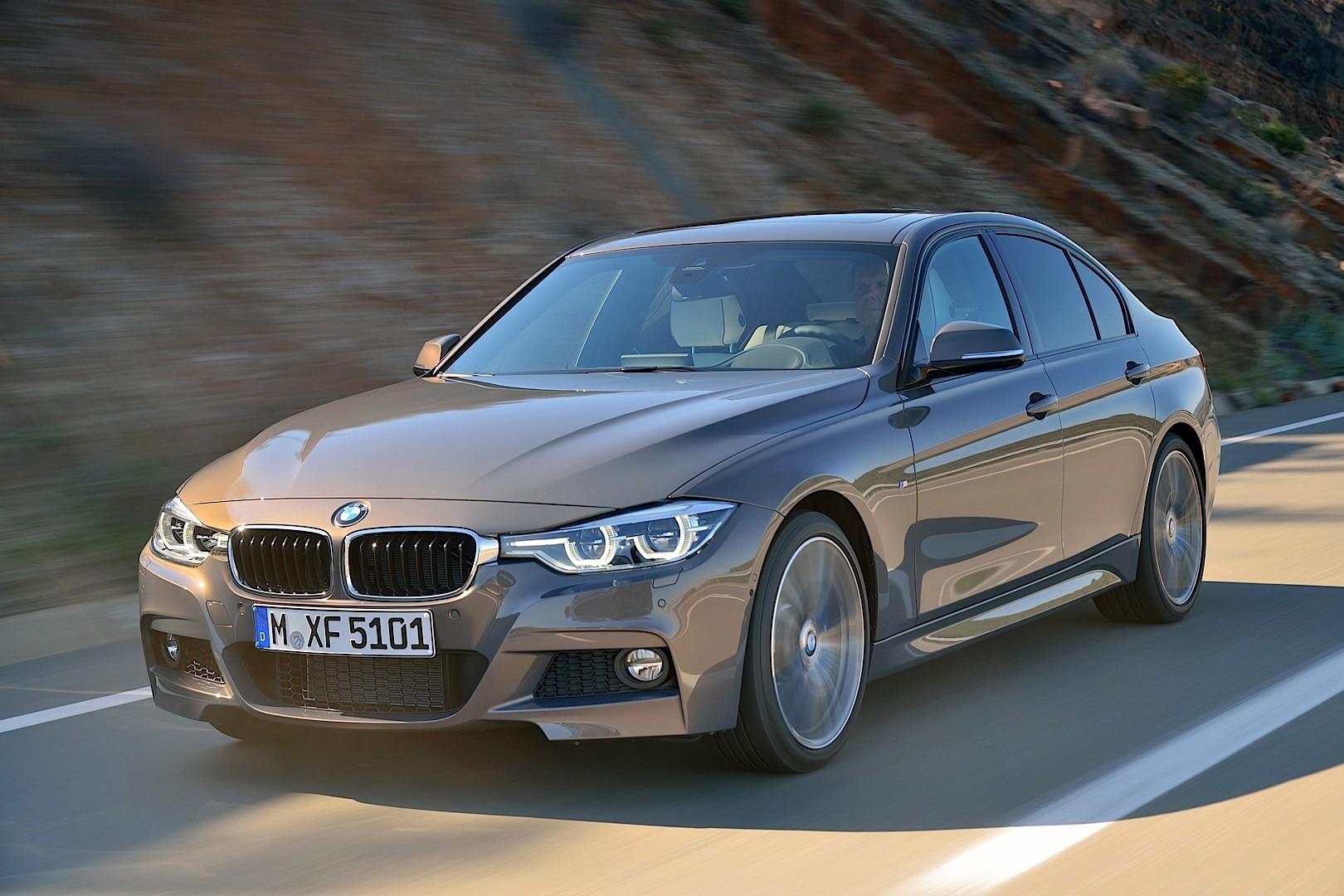
At the front, the automaker introduced new LED headlights fitted with redesigned daytime running lights. In the initial model, these were round, while in the refreshed version, they were angular-shaped and underlined with high- and low-beam bulbs. It is worth noticing that the LCI version was the first 3 Series available with full-LED headlights. Another improvement was seen on the lower bumper, which received broader side scoops that integrated the available fog lamps. As an option, customers could get an M Sport Package, which added a different bumper featuring a broad center air intake in the apron flanked by angular-shaped side scoops.
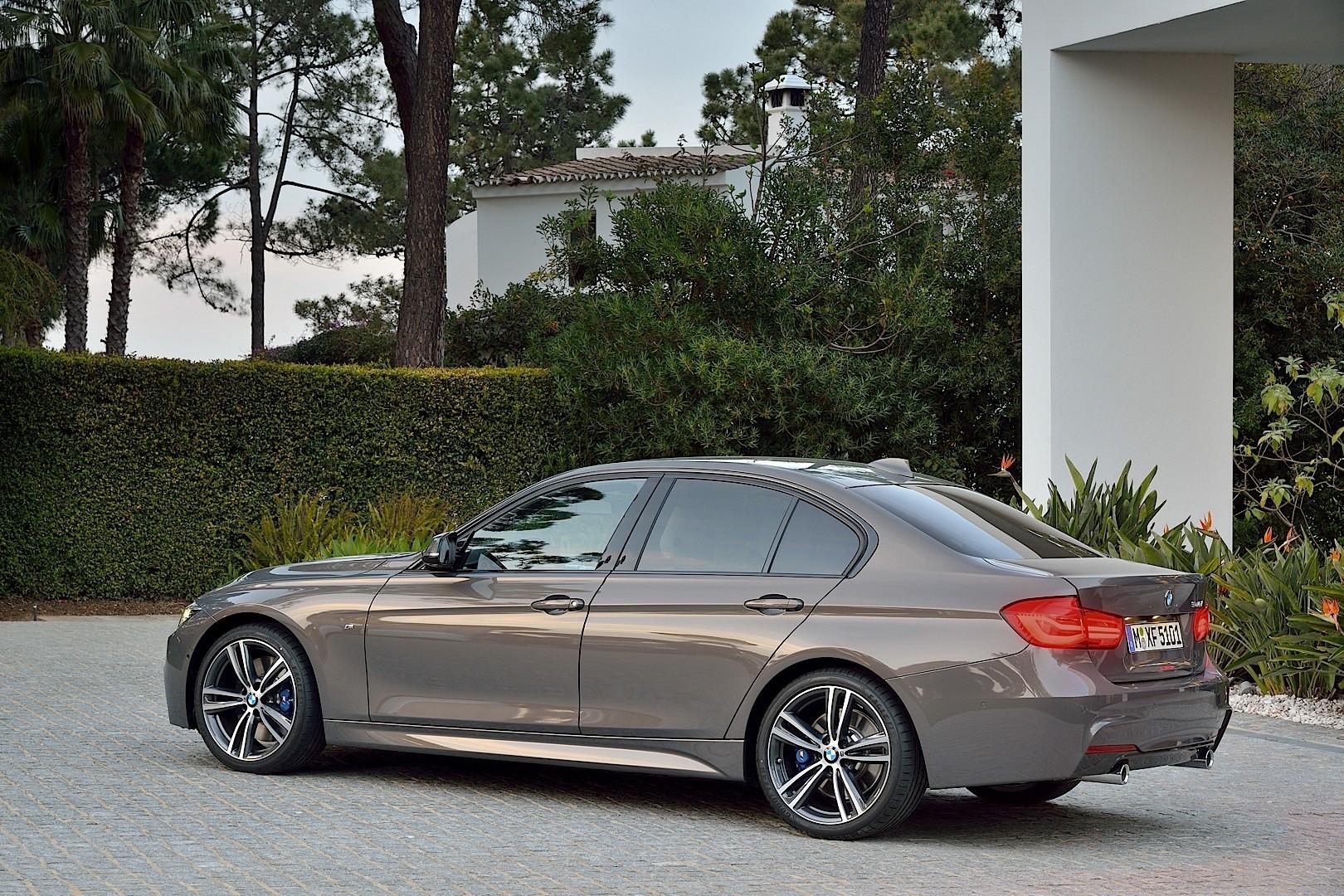
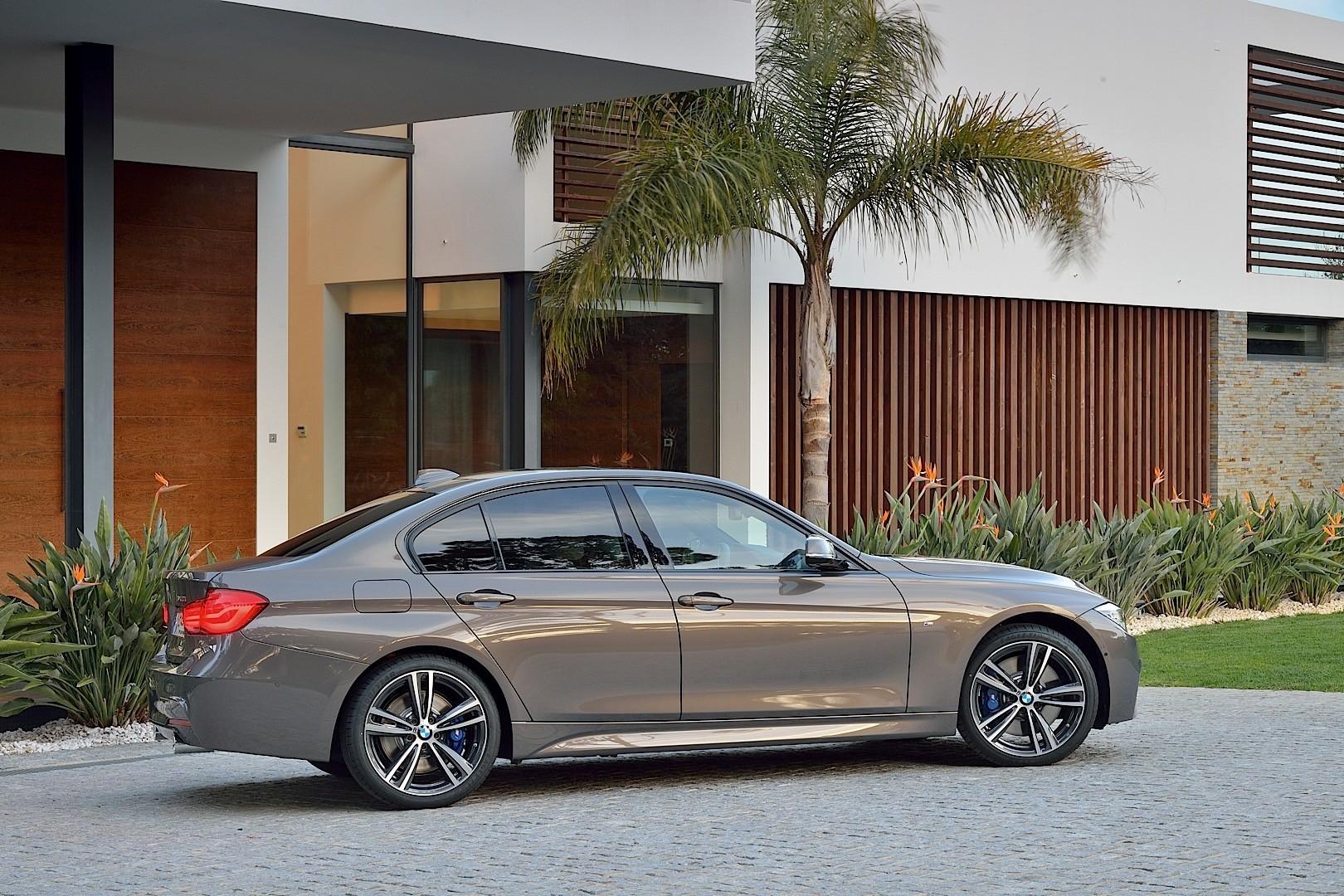
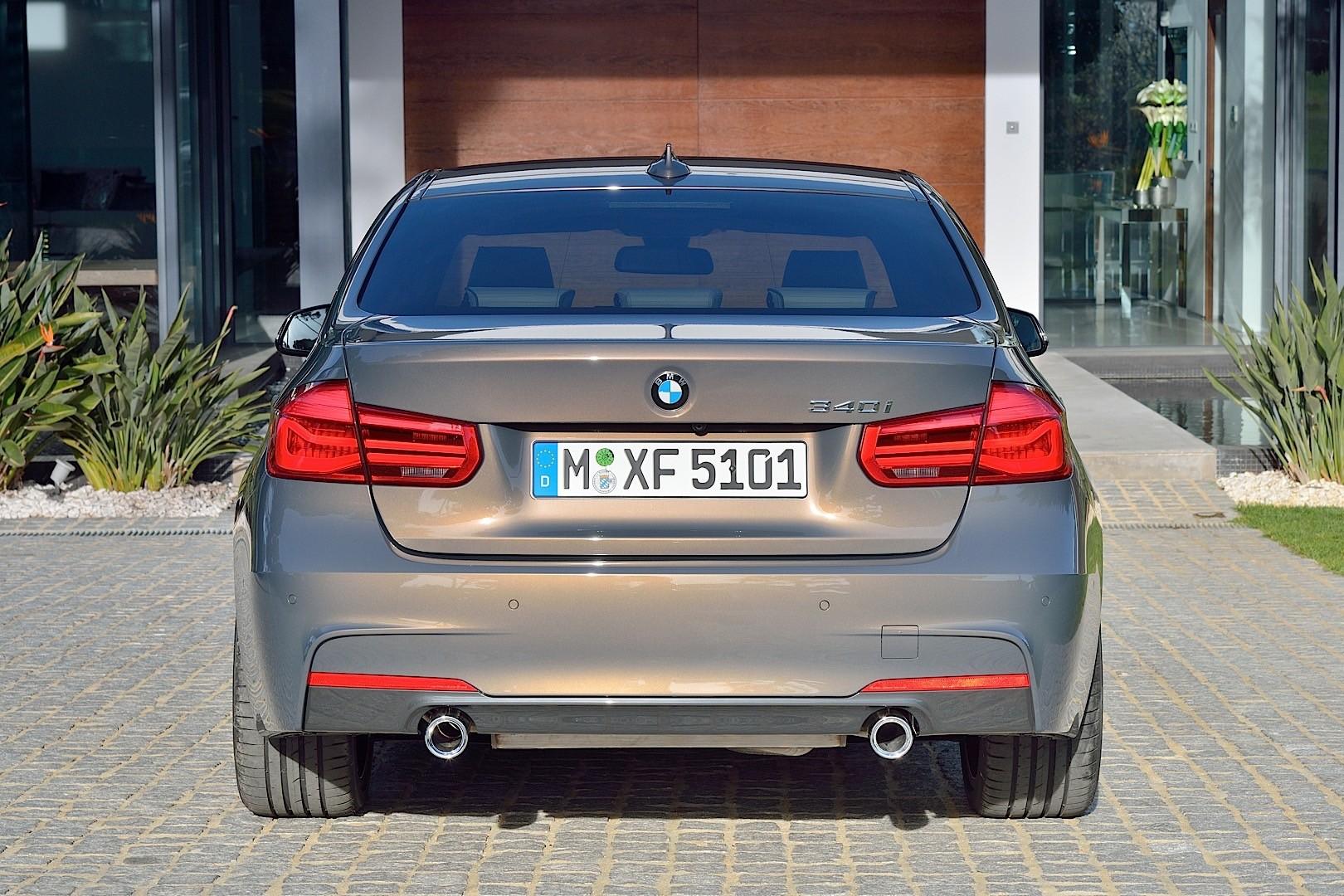
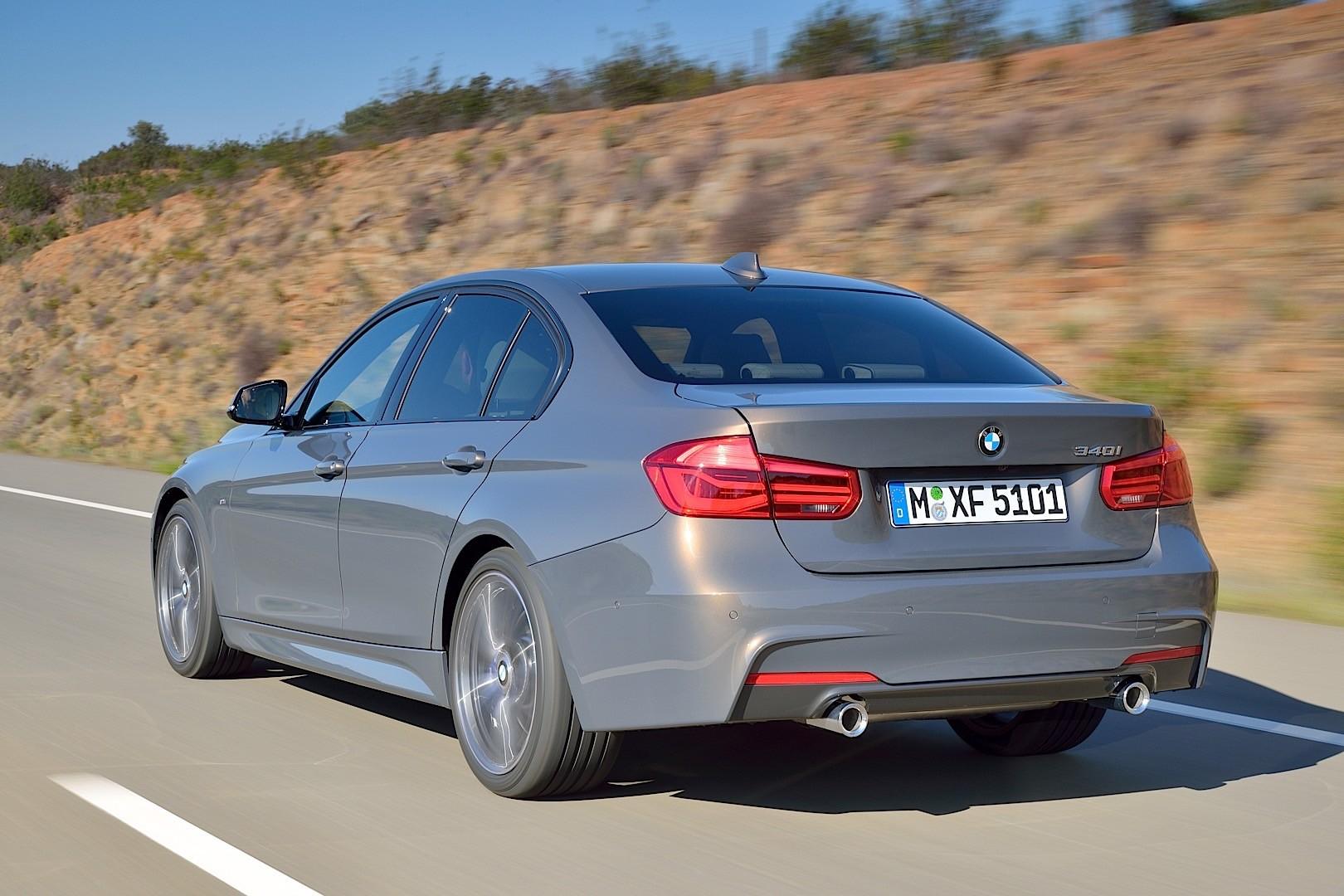
The car’s profile showed the same look with a lean-forward stance. Furthermore, an ascending creased line ran along the bodywork from the front fenders to the taillights. For versions fitted with the M Sport Package, the automaker added a set of aerodynamic side skirts, which allegedly reduced ground effect. Customers could also opt for up to 18-inch light alloy wheels, while base models sported 16-inch ones. In the back, depending on the grade and options, the 2016 BMW 3 Series featured one or two pipes that poked from underneath the bumper. The latter variant was reserved for higher-powered versions, while the former was for turbodiesel and less potent engines.
Inside, there were no significant changes to the car at first sight. It had the same layout, seats, and door cards. Furthermore, even the center console was the same, albeit there was a new cover for the dual cup holders from the bottom of the center stack. However, there was a new infotainment system that could allow LTE data transfer. It also featured the Connected Drive service, which allowed customers to go over the Internet and find destinations and fastest routes. Thanks to the telematics system, the navigation unit was able to calculate routes according to traffic information. In addition, a concierge service allowed customers to ask a BMW representative about the closest points of interest.
While the exterior and interior changes were not that obvious, under its skin, the 2016 BMW 3 Series Sedan had significant improvements. For starters, the entry-level version featured an inline-three turbocharged gasoline engine, which was good news for fleet owners. Then, the former two-liter turbodiesel was replaced by a new one. Even though the new powerplant provided just six more ponies, it was better in fuel efficiency. Furthermore, the automaker started to replace most of the former N-family engines with the B-family ones for the turbocharged gasoline powerplants for both inline-four and inline-six units.
Press Release
The BMW 3 Series is the founder of the modern sports sedan segment and has been fêted as an icon of this vehicle class for 40 years. Over what is now six model generations, the BMW 3 Series has set the standard for dynamic excellence, efficiency and design, forging an emotionally rich connection between a sporting driving experience and unbeatable everyday practicality. Around one in every four BMWs sold is a BMW 3 Series Sedan or BMW 3 Series Touring, which makes this model series the most successful in the BMW brand’s line-up. Sharper design, even more advanced technology and cutting-edge engines ensure the new BMW 3 Series Sedan and new BMW 3 Series Touring are a more attractive proposition than ever before. The new BMW 3 Series model range will be available with an extensive spread of engines from launch. Four petrol units and seven diesels are available, developing from 85 kW/116 hp to 240 kW/326 hp (combined fuel consumption: 7.9–3.8 l/100 km [35.8 – 74.3 mpg imp]; combined CO2 emissions: 185–99 g/km). They can be linked up with a six-speed manual gearbox and an eight-speed Steptronic transmission (standard on the BMW 330d, BMW 335d and BMW 340i Touring). The new BMW 3 Series is available with classical rear-wheel drive or BMW xDrive intelligent all-wheel drive, depending on the model.
Great exterior presence, sophisticated and high-quality interior.
The design of the new BMW 3 Series stands out with even greater precision and various detail improvements. At the front end, new aprons with revised air intakes accentuate the feeling of width, while the sensor for the optional Active Cruise Control (ACC) is harmoniously integrated into the central air intake. The sculptural rear apron design, including a Line-specific trim element, and standard LED rear lights likewise emphasise the car’s width and thus its sporting appearance. An innovative lighting concept, featuring newly designed headlights and striking LED daytime driving lights, underlines the car’s sporty and powerful visual appeal. Full-LED headlights can now be specified as an option. The interior, meanwhile, makes an even classier impression with new materials and additional chrome highlights for the controls, air vents and central control panel. The newly crafted centre console with a sliding cover for the cupholders enables better use of the storage surfaces forward of the gearshift lever and takes the outstanding ergonomics of the BMW 3 Series to an even higher level. A wide range of personalisation options as far as upholstery and interior trim elements are concerned, as well as new wheels, exterior colours and equipment options, round off the specification choices for the new BMW 3 Series.
Setting the benchmark – even sportier, even more efficient.
All the three-, four- and six-cylinder petrol engines for the BMW 3 Series model range and the four-cylinder diesel units in the BMW 316d, BMW 318d and BMW 320d are now sourced from the newly developed, modular BMW EfficientDynamics engine family. Features including revised turbochargers help give the new four-cylinder diesel engines even sharper responses, while the three-cylinder petrol engine is a new addition to both the BMW 3 Series model range and the segment as a whole. Making its BMW 3 Series debut is the four-cylinder petrol engine in the BMW 320i Sedan/BMW 320i Touring (combined fuel consumption: 5.9–5.3/6.3–5.5 l/100 km [47.9–53.3/44.8–51.4 mpg imp]; combined CO2 emissions: 138–124/147–129 g/km)*. Celebrating their world premiere, meanwhile, are the four-cylinder unit in the BMW 330i Sedan/BMW 330i Touring (combined fuel consumption: 6.5–5.5/6.7–5.8 l/100 km [43.5–51.4/42.2–48.7 mpg imp]; combined CO2 emissions: 151–129/157–135 g/km)* as well as the six-cylinder petrol unit in the BMW 340i Sedan/ BMW 340i Touring (combined fuel consumption: 7.7–6.5/7.0–6.8 l/100 km [36.7–43.5/40.4–41.5 mpg imp]; combined CO2 emissions: 179–152/164–158 g/km)*. Despite their superior power, further improvements have also been made to the efficiency of the engines; fuel consumption and CO2 emissions are down by as much as 11 per cent. The new 320d EfficientDynamics Edition Sedan (combined fuel consumption: 4.3–3.8 l/100 km [65.7-74.3 mpg imp]; combined CO2 emissions: 113–99 g/km)* develops 120 kW/163 hp, yet emits just 99 g/km of CO2 when the eight-speed Steptronic transmission and standard tyres are specified. Indeed, the new transmissions also contribute to the increased efficiency of all variants.
On cars specified with the six-speed manual gearbox, the engagement speed control function automatically blips the throttle on downshifts, for example. The eight-speed Steptronic transmission allows multiple sequential downshifts, which has a positive effect on smoothness and acoustics. The coasting function, meanwhile, increases efficiency by another notch. The further developed dampers, stiffer suspension and even more precise steering of the new BMW 3 Series ensure a clear elevation of the new BMW 3 Series’ dynamic potential, combined with the same impressive ride quality as that of its predecessor.
New Navigation system Professional and LTE mobile technology.
BMW plays a leading role in the link-up of driver, vehicle and outside world. Its BMW ConnectedDrive range of products and services offers a unique selection of web-based services and innovative driver assistance systems designed to enhance comfort and improve safety. For example, the full-colour BMW Head-Up Display in the new BMW 3 Series enables all relevant information to be displayed directly in the driver’s field of vision, leaving the motorist to concentrate fully on the road ahead. The Navigation system Professional impresses in city centres, in particular, with quicker start-up, significantly faster route calculation and even more realistic 3D graphics. The navigation maps are automatically updated free of charge for a period of three years. In the owner’s home region, the embedded SIM card allows these updates to take place automatically over the air via the mobile phone network. The new BMW 3 Series is the first model (depending on the equipment specified) in the premium mid-size sports segment to support the fastest current mobile technology standard (LTE). The Parking Assistant now enables automatic parallel parking as well, while Auto PDC also automatically activates the front parking sensors when manoeuvring.
###################################################
BMW 330e
The arrival of the new BMW 330e offers customers another innovative route to Sheer Driving Pleasure. With its plug-in hybrid drive system, the latest BMW 3-Series variant combines the dynamic flair for which the brand is renowned with the option of driving on electric power alone (locally emission-free) and the promise of unbeatable efficiency over longer distances. The BMW 330e therefore brings together high-quality dynamics and extremely low fuel consumption. The fusion of BMW eDrive technology (developed under the BMW EfficientDynamics banner) with a BMW TwinPower Turbo petrol engine has resulted in an efficient and dynamic plug-in hybrid drive system which fits perfectly with the BMW brand: dynamically adept, locally emission-free (thanks to its electric driving system) and efficient.
The plug-in hybrid drive system delivers familiar BMW driving dynamics by pairing a cutting-edge electric motor producing 65 kW/88 hp and a peak torque of 250 Nm / 184 lb-ft with a four-cylinder combustion engine, which develops 135 kW/184 hp and 290 Nm / 214 lb-ft of torque. Combined average fuel consumption in the NEDC cycle is 2.1-1.9 litres per 100 kilometres (134.5-148.7 mpg imp), with CO2 emissions coming in at 49-44 g/km. With a system output of 185 kW/252 hp and peak torque of 420 Nm / 310 lb-ft, the BMW 330e accelerates from 0 to 100 km/h (62 mph) in 6.1 seconds on the way to a top speed of 225 km/h (140 mph. The electric motor and combustion engine send their power to the sedan's rear wheels via a standard-fitted eight-speed Steptronic transmission. The arrangement of the electric motor in front of the transmission allows the transmission ratios to be used in all-electric mode as well. This means a torque converter can be omitted, which partially cancels out the extra weight of the additional drive unit.
Power delivery akin to a large-capacity combustion engine
The drive unit's operating strategy features a permanent electric boost function. Here, the electric motor supplements the power from the combustion engine with 100 Nm / 74 lb-ft of torque and can deliver a brief extra burst - depending on the position of the accelerator - of up to 250 Nm / 184 lb-ft. On the move, this comes across as an extremely forceful and sustained wave of power, similar to the sensation a large-capacity combustion engine might produce. And because ample power is on hand at all times, a superior and relaxed driving feeling results. Overtaking manoeuvres are that much quicker and the BMW 330e offers a rousing sense of driving pleasure on all types of road.
The high-voltage battery, made up of lithium-ion cells, is located underneath the boot and boasts efficient refrigerant cooling including a highly integrated low-temperature circuit. The battery has a total capacity of 7.6 kWh (gross)/5.7 kWh (net), which enables an all-electric and therefore locally emission-free range of around 40 kilometres (25 miles), all of which identifies the BMW 330e as a perfect model for city dwellers and commuters. When the BMW 330e is taking a break, the high-voltage battery can be charged from either a conventional domestic power socket or a BMW i Wallbox. A BMW i Wallbox (charging power: 3.7 kW) will fully charge an empty battery in just two hours and 12 minutes. If only a domestic power socket is available, the process takes three hours.
The neat integration of the high-voltage battery in the compartment under the boot gives the BMW 330e a level load compartment floor, while use of the optional through-loading system with 40:20:40 split rear seat backrests remains unrestricted. Together with its boot capacity of 370 litres, the new BMW 330e thus offers all the everyday practicality of a conventionally powered BMW 3-Series Sedan. Added to which, the intelligent positioning of the electric drive system's components allows finely balanced weight distribution - 50 per cent over the front axle, 50 per cent over the rear axle - and, in so doing, paves the way for the dynamic and dextrous handling shared by all BMW 3-Series models.
BMW eDrive adapts both to the situation at hand and those ahead
As well as the Driving Experience Control switch with its SPORT, COMFORT and ECO PRO settings, the driver can also adapt the responses of BMW eDrive to the vehicle's use at any one time by means of a toggle switch in the centre console. There is a choice of three driving modes: AUTO eDRIVE, MAX eDRIVE and SAVE BATTERY. AUTO eDRIVE ensures the combustion engine and electric motor work together to optimum effect in all driving situations and allows an all-electric top speed of 80 km/h (50 mph). This mode is activated automatically as the default setting every time the car is started up.
In MAX eDRIVE mode the BMW 330e uses the car's electric power only, drawing on the electric drive system's full output. A top speed of 120 km/h (75 mph) is possible. Its ability to cover up to 40 kilometres (25 miles) in this all-electric mode makes the BMW 330e the ideal car for commuters or city dwellers, for example, as it allows them to complete their daily journeys extremely efficiently and with an eye on the environment. The combustion engine can, however, cut in at any time if the accelerator is pushed down beyond its kickdown position when additional power is required, e.g. for overtaking.
SAVE BATTERY mode allows the battery's energy stores to be deliberately maintained - or increased again if the charge level has dropped below 50 per cent. This energy can then be used for pure-electric driving, on a part of the journey running through city streets, for example.
BMW ConnectedDrive assists the driver in a variety of ways
BMW ConnectedDrive works in tandem with the navigation system to allow even better use of the available electric energy. Here, the system assists the driver with proactive energy management and calculates an operating strategy which responds to the driving style and route profile at hand - and thus ensures the plug-in hybrid drive system is used as efficiently as possible. The system adapts the drive strategy to the overall route profile. For example, the car uses all-electric power along urban streets and electric energy is also deployed on uphill sections so that the system's full recuperation potential can be used on a subsequent downhill stretch. This equips the BMW 330e perfectly to offer locally emission-free driving, as well as covering longer stretches extremely efficiently and with less impact on the environment. Like all BMW 3-Series models, the BMW 330e has a comfortable and classy interior featuring five seats, practical details and the ergonomic operating concept typical of BMW. Moreover, the BMW 330e comes as standard with auxiliary heating and cooling (output: 5 kW). These functions can be activated by a button on the car key or pre-programmed using a two-week timer either on the iDrive operating system or via the BMW ConnectedDrive smartphone app. The details are shown on the Control Display.
E-mobility gains a new dynamic edge
The BMW 330e adds another highly innovative variant to the BMW 3-Series line-up with its advanced plug-in hybrid drive system. To this end, the engineers transferred cutting-edge BMW i technologies into a representative of the world's most successful premium model range for the first time. The BMW 3-Series Sedan has already set standards for sports performance and fuel economy in its segment using conventional combustion engines. And so it provides the perfect environment for an inspiringly dynamic yet also exceptionally efficient plug-in hybrid model. Key ingredients here are its intelligent lightweight design, outstanding aerodynamics for this class of car and the extensive spread of BMW EfficientDynamics technology fitted as standard.
Ideal platform, superior drive components, unbeatable efficiency
The combustion engine fitted in the BMW 330e is based on the four-cylinder petrol unit with BMW TwinPower Turbo technology that has already won the International Engine of the Year Award on two occasions. Stand-out characteristics include its sporty power delivery, output of 135 kW/184 hp and peak torque of 290 Nm / 214 lb-ft (combined fuel consumption: 2.1-1.9 l/100 km [134.5-148.7 mpg imp]; combined CO2 emissions: 49-44 g/km), not to mention an ultra-high-efficiency factor and excellent refinement.
The electric motor, developing 65 kW/88 hp and peak torque of 250 Nm / 184 lb-ft, and the power electronics are derived directly from the BMW eDrive technology featured as standard in the BMW i3 and BMW i8 models. The motor is powered by a lithium-ion battery with a capacity of 7.6 kWh (gross)/5.7 kWh (net). The model-specific concept of the high-voltage battery, including its battery management system and highly efficient direct cooling system, are likewise rooted in the know-how amassed during the development of the BMW i models. The battery can be recharged at any domestic power socket and is mounted flat in a particularly crash-safe position underneath the load compartment. The power electronics form a single integrated system that drives the electric motor via a liquid-cooled inverter, manages the energy flow from the high-voltage battery to the on-board electrical systems and provides centralised control of hybrid-specific functions.
The BMW 330e consequently offers a system output of 185 kW/252 hp and peak torque of 420 Nm / 310 lb-ft, allowing the dynamic Sedan to sprint from 0 to 100 km/h (62 mph) in 6.1 seconds and reach a top speed of 225 km/h (140 mph). The average figures for fuel consumption and CO2 emissions are 2.1-1.9 litres per 100 kilometres (134.5-148.7 mpg imp) and 49-44 grams per kilometre. Pure-electric driving is possible at speeds of up to 120 km/h (75 mph) and with a range of around 40 kilometres (25 miles). These figures, together with the electric motor's boost function - which can be clearly felt under acceleration - bring a sharp and intensely dynamic dimension to everyday motoring.
BMW decided to use an operating strategy for the drive unit that involves a permanent electric boost function. Here, the electric motor supplements the power from the combustion engine with 100 Nm / 74 lb-ft of torque and can deliver a brief extra burst - depending on the position of the accelerator - of up to 250 Nm / 184 lb-ft. On the move, this comes across as an extremely forceful and sustained wave of power giving the impression of a far larger-capacity combustion engine. And because ample power is on hand at all times, a superior and relaxed driving feeling results. Overtaking manoeuvres are that much quicker, and on twisty stretches of road the BMW 330e provides a thrilling level of driving pleasure.
The power generated by both the combustion engine and the electric motor is channelled to the BMW 330e's rear wheels via an eight-speed Steptronic transmission. This means the transmission ratios take effect for both drive systems, lowering the mechanical and thermal loads placed on the electric motor by sustained high revs. This has a positive effect on the operating life of the electric drive system. It also means a torque converter is not required, which partially cancels out the extra weight of the additional drive unit. And - as in conventionally powered BMW models - the advanced Steptronic transmission's low friction losses allow it to make an additional contribution to the high efficiency of the car's drive system as a whole.
BMW eDrive can be configured in three different driving modes
BMW 330e drivers can choose from three BMW eDrive-specific programs - AUTO eDRIVE, MAX eDRIVE and SAVE BATTERY - via the eDrive button in the centre console. These settings allow the plug-in hybrid drive system to be adapted to the way the car is being used at any particular time.
AUTO eDRIVE: This setting ensures the combustion engine and electric motor work together to optimum effect in all driving situations and enables a pure-electric top speed of 80 km/h (50 mph). This is the default setting and is activated each time the car is started up.
MAX eDRIVE: In this mode the BMW 330e uses electric power only, allowing it to drive for up to 40 kilometres (25 miles) with zero local emissions. In so doing, it draws on the electric drive system's full power output and reaches a top speed of 120 km/h (75 mph). This makes the BMW 330e the ideal car for commuters and city dwellers, for example, as it allows them to complete their daily journeys extremely efficiently and with an eye on the environment. The combustion engine can, however, cut in at any time if the accelerator is pushed down beyond its kickdown position when additional power is required, e.g. for overtaking.
SAVE BATTERY: This mode contains two operating settings. If the high-voltage battery's charge is below 50 per cent, the battery is charged to 50 per cent by the combustion engine. But if the battery still has more than 50 per cent of its energy remaining, the charge level is "frozen", so that the remaining electric energy can be used for part of the journey still to come - e.g. the approach to a city centre destination.
A harmony of efficiency and hallmark BMW dynamics
In addition to its eDrive button, the BMW 330e - like other series-produced BMW models - also has a Driving Experience Control switch on the centre console which allows the remaining settings to be adapted according to need and the situation at hand; the COMFORT and SPORT settings and ECO PRO mode are all activated using this switch. As well as the steering and chassis functions and the shift characteristics of the eight-speed Steptronic transmission, these modes also make changes to the operating strategy of the hybrid drive system. In COMFORT mode, which prioritises a fine balance of comfort and efficiency, as well as hallmark BMW dynamics, the use of the electric motor is regulated in such a way that it helps to ensure both relaxed and economical driving. If required, the electric motor teams up with the combustion engine to maximise power delivery. Top-end performance using the full system output of the combustion engine and electric motor combined is the focus of SPORT mode. In this setting the engine and motor are both permanently active. This allows the drive system to react instantaneously to every movement of the accelerator. In ECO PRO mode, the efficiency potential of electrification is utilised particularly extensively. Intelligent hybrid functionality allows the electric motor and combustion engine to work together with the greatest possible overall efficiency. The extremely efficient energy management for the drive systems involves carefully regulating the power output of electrically operated convenience functions such as the climate control system, seat heating and exterior mirror heating. This also helps to maximise the car's range.
Intelligent energy management adjusts the drive systems' responses to the situation at hand
The BMW 330e comes with an integrated, hybrid-specific Proactive Driving Assistant that works using the BMW navigation system. This function represents the interplay between BMW EfficientDynamics and BMW ConnectedDrive technology at its most systematic and advanced. When the route guidance function is active, the navigation system collates the available information on the route ahead and uses it to manage the responses of the two drive units. Here, the system accesses both the static data from the interactive map, such as speed restrictions and gradient information, and real-time information on the current traffic situation (Real Time Traffic Information - RTTI). This proactive energy management uses the information as a basis to identify particular stretches of the route where the electric drive system will be preferred over the combustion engine. It ensures that the car drives through residential areas or - if the battery has sufficient charge - entire cross-town links on electric power alone and approaches the destination using only the electric drive system. The system also prepares to use electric energy for uphill sections of road, so that the system's full recuperation potential can be used on a subsequent downhill stretch. The Proactive Driving Assistant ensures the BMW 330e is even better equipped to offer locally emission-free driving, but also to cover long stretches extremely efficiently and with less impact on the environment.
Battery can be charged easily at home or during a journey using BMW 360° ELECTRIC solutions
As a plug-in hybrid, the BMW 330e can also be charged externally via the mains power supply. The empty lithium-ion high-voltage battery can be fully replenished in just two hours and 12 minutes using a BMW i Wallbox (charging power: 3.7 kW, can be installed at home or the workplace), so that the car's maximum electric range is available when the driver is ready to set off again. Alternatively, the BMW 330e can also be charged from empty in three hours from a conventional domestic power socket using the standard charging cable supplied. The charging solutions available from BMW 360° ELECTRIC make topping up the battery during the course of a journey that much easier. The BMW i mobility service ChargeNow opens up access to the largest network of public charging stations worldwide (covering over 30,000 charging points managed by partners in 22 countries). BMW ConnectedDrive, the BMW ConnectedDrive app and the ChargeNow app make locating and using charging stations run by partners an extremely fast and easy process, while the ChargeNow card allows convenient and cash-free billing and payment.
The car is hooked up to the power supply via the charging socket, which is located in the front wing on the driver's side, between the front wheel arch and the A-pillar. A flap with an integral sealing system protects it against ingress from moisture and dust, for example. The charging socket itself has a corona ring, which uses a colour scheme to inform the user which stage of charging has been reached. If the corona ring flashes blue, the BMW 330e is in charging mode. It then changes to a solid green light once the charging process has been completed. A solid blue ring indicates a pause in charging, and a flashing yellow ring tells you a system check is taking place. Finally, a flashing red corona ring indicates that the charging system is not active. The BMW 330e comes with its own standard charging cable - stored away in a special bag in the boot and secured with a net - to connect it to the power supply. If no stationary charging options are available, the empty battery can be brought up to at least 50 per cent of full charge while on the move by activating SAVE BATTERY using the eDrive button.
Level load compartment floor and unrestricted through-loading facility
The neat integration of the high-voltage battery (gross capacity: 7.6 kWh, net capacity: 5.7 kWh) in the area under the load compartment gives the BMW 330e a level load compartment floor, and full use of the optional through-loading system with 40:20:40 split rear seat backrests. Together with its primary boot capacity of 370 litres (which can also be used without restriction), the new BMW 330e therefore offers all the everyday practicality of a conventionally powered BMW 3-Series Sedan. Access to the secondary luggage area in the storage tray under the load compartment floor is, however, restricted.
In order to maximise the car's load capacity, the stainless-steel pressure tank was also positioned underneath the rear seat bench in semi-saddle tank form. It offers a usable capacity of 41 litres. Outgassing fuel in the BMW 330e is trapped by an active carbon filter system, as is standard practice with vehicles powered by a combustion engine. In conventional drive systems, the fuel collected by cleaning out the active carbon filter is channelled back into the engine's combustion process once the filter has reached a pre-set degree of saturation. However, the filter can only be cleaned when the engine is running and, as the engine in the BMW 330e is not constantly in use, this cleaning process happens far less frequently. The result is significantly higher pressure inside the fuel tank, which is why the stainless-steel pressure tank in the BMW 330e is designed to withstand pressure of to up to 340 mbar.
Another benefit of the intelligent positioning of the electric drive system's components is that the car's finely balanced weight distribution - 50 per cent at the front axle, 50 per cent at the rear axle - has been preserved. This is one of the key factors underpinning the dynamic and dextrous handling shared by all BMW 3-Series models.
Outstanding connectivity with BMW ConnectedDrive
BMW ConnectedDrive is all about the link-up of the driver, vehicle and outside world. As well as the intelligent energy management mentioned earlier (using a BMW navigation system), this technology also enables access to the most important vehicle information at any time in the BMW 330e. Inside the car, the driver can call up data - such as the battery charge, available ChargeNow public charging stations and journey distances covered - on the display or pre-set a temperature for the passenger compartment. The BMW 330e comes as standard with auxiliary heating and cooling (output: 5 kW). These functions can be activated either straightaway by means of the button on the car key, via the BMW ConnectedDrive smartphone app or using a two-week timer on the iDrive operating system. The next activation is then shown on the Control Display, and the driver also has the option of revising the schedule. Running the heating or cooling functions while the car is charging does not restrict its electric range.
BMW eDrive technology - Setting a new benchmark for efficiency
The innovative BMW eDrive technology in the new BMW 225xe and new BMW 330e once again underlines BMW's leading role in the premium segment when it comes to powertrain electrification. BMW eDrive technology includes a number of cutting-edge plug-in hybrid components and makes a significant contribution to reducing fuel consumption and emissions. BMW eDrive is one of the most cutting-edge elements of the groundbreaking BMW EfficientDynamics suite of technology.
Locally emission-free driving
BMW eDrive is the new drive system technology used in all the electrically powered vehicles from BMW i and the plug-in hybrid models from BMW. As well as outstanding efficiency and seamless everyday practicality, BMW eDrive also delivers the highest standards in driving dynamics and quality, in keeping with BMW tradition. Alongside BMW TwinPower Turbo technology for combustion engines, intelligent lightweight design and optimised aerodynamics, BMW eDrive technology is therefore one of the most important elements in the EfficientDynamics strategy designed to increase power and further reduce fuel consumption and CO2 emissions. In addition, BMW eDrive offers the option of driving on electric power alone and therefore with zero local emissions - yet at the same time reveals the ability to cover long distances when the two drive systems team up.
Moreover, BMW eDrive technology ensures extremely dynamic acceleration off the line thanks to the instantaneous responses of the electric motor, which generates its remarkable torque from the word go. Plus, the eBoost function, which pools the torque of both drive systems under acceleration, serves up BMW's signature driving pleasure, whatever the conditions.
Designed for different vehicle concepts
The most important components of BMW eDrive technology are the synchronous electric motor (including the power electronics developed by BMW), the lithium-ion high-voltage battery and intelligent energy management. The latter ensures the electric motor and combustion engine in plug-in hybrid models work together as effectively as possible according to the situation at hand.
Developed initially for the all-electric BMW i3 and BMW i8 plug-in hybrid sports car - which duly led the way in electric mobility in the premium sector - the modular structure of BMW eDrive technology sets it up perfectly for use in various vehicle concepts and segments. BMW uses its plentiful technical experience and customer feedback in the development of the latest BMW eDrive models. The fine-tuning of vehicle-specific elements, such as the battery cells, cooling management, power electronics and operating strategy, has involved the transfer of knowledge from the BMW i3 and BMW i8 to the development of new BMW eDrive models. Here, all components are adapted precisely to the vehicle at hand and optimised in terms of performance, efficiency, safety and durability. Moreover, BMW eDrive technology enables the electrified xDrive concept first featured in the BMW i8 to be executed with great efficiency.
BMW eDrive: familiar BMW character, flexible usage options
BMW eDrive technology essentially spans the electric motor, the lithium-ion high-voltage battery and the power electronics. Based on a shared eBoost strategy, all BMW plug-in hybrid models offer supreme power delivery by bringing together their two drive systems, and elevate the responsiveness of BMW TwinPower Turbo technology to another new level. BMW eDrive makes all-electric driving in urban areas and over cross-country routes a marketable proposition. An important element of the operating strategy is the need-oriented use of externally sourced and recuperated electric energy to maximise the vehicle's efficiency. The components of the BMW eDrive architecture are tailored to each particular vehicle concept and can be combined with four- and three-cylinder petrol engines as well as with classical rear-wheel drive, BMW xDrive or electrified all-wheel drive.
The eDrive components developed as part of the BMW i projects will soon be integrated into other model ranges from the core brands. This scalable architecture also provides the platform required to offer plug-in hybrid vehicles at attractive prices on a par with those of conventionally powered variants of similar output. This means customers who opt for this advanced drive concept encounter not only the environmental benefits of electric mobility, but also economic plus-points.
Plug-in hybrid: energy management at its most intelligent
In plug-in hybrid vehicles, intelligent energy management ensures the combustion engine and electric motor work together to maximum effect in all driving situations. Their operating strategy is based on the vehicle starting up on electric power only. BMW's plug-in hybrid vehicles prioritise electric mode at low and moderate speeds, which allows them to exploit the benefits of the locally emission-free electric drive system. Under greater acceleration and at higher speeds, however, the combustion engine also joins the action. The boost function pools the torque of both drive systems to maximise the car's dynamic performance and lend it remarkable poise and assurance. BMW eDrive ensures that the combustion engine runs efficiently (electric assist) at higher speeds as well. This allows a reduction in fuel consumption on brisk cross-country or motorway runs, for example. And when the route guidance function of the car's navigation system is activated, the proactive function initiates an anticipatory operating strategy which optimises efficiency and maximises the electric driving experience.
Like the BMW i8, the BMW X5 xDrive40e, BMW 330e and BMW 740e can all - at the touch of a button in MAX eDRIVE mode - run on purely electric power up to 120 km/h (75 mph), the BMW 225xe up to 125 km/h (78 mph). Here, the combustion engine only comes into play when the accelerator's kickdown threshold is passed. In SAVE BATTERY mode the battery's charge can be maintained to enable electric driving later on in the journey. If the charge level drops below 50 per cent, the battery is replenished.
With the addition of the BMW eDrive functions, the ECO PRO, COMFORT and SPORT driving experience modes are now even more clearly defined than on conventional vehicles.
Fast and convenient battery charging
The high-voltage batteries of the new BMW plug-in hybrid models can be charged extremely easily, conveniently and quickly - both at home and while on the move - using BMW 360° ELECTRIC solutions. The battery can be powered up again from a domestic socket using the standard charging cable supplied or from a BMW i Wallbox (charging power: 3.7 kW). When it comes to topping up the battery during a journey, the BMW i mobility service, ChargeNow, gives customers access to the world's largest public charging network of over 30,000 charging points run by partners in 22 countries.
Higher performance, lower fuel consumption
The new BMW plug-in hybrid models with eDrive technology - such as the new BMW X5 xDrive40e, the BMW 225xe and BMW 330e currently making their debuts, and the BMW 740e due for launch in the near future - are once again setting the benchmark in the various corners of the premium segment when it comes to reducing fuel consumption, and will also meet the stipulations of international legislation in the future regarding CO2 emissions. Moreover, their all-electric and therefore locally emission-free driving mode will also allow them to drive into city centre zones where entry is regulated. And yet the BMW plug-in hybrid models also deliver the hallmark BMW attributes of dynamic excellence, sporting ability and driving pleasure while offering the best performance in their respective segments.